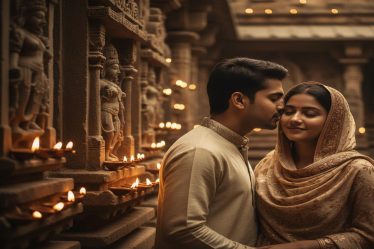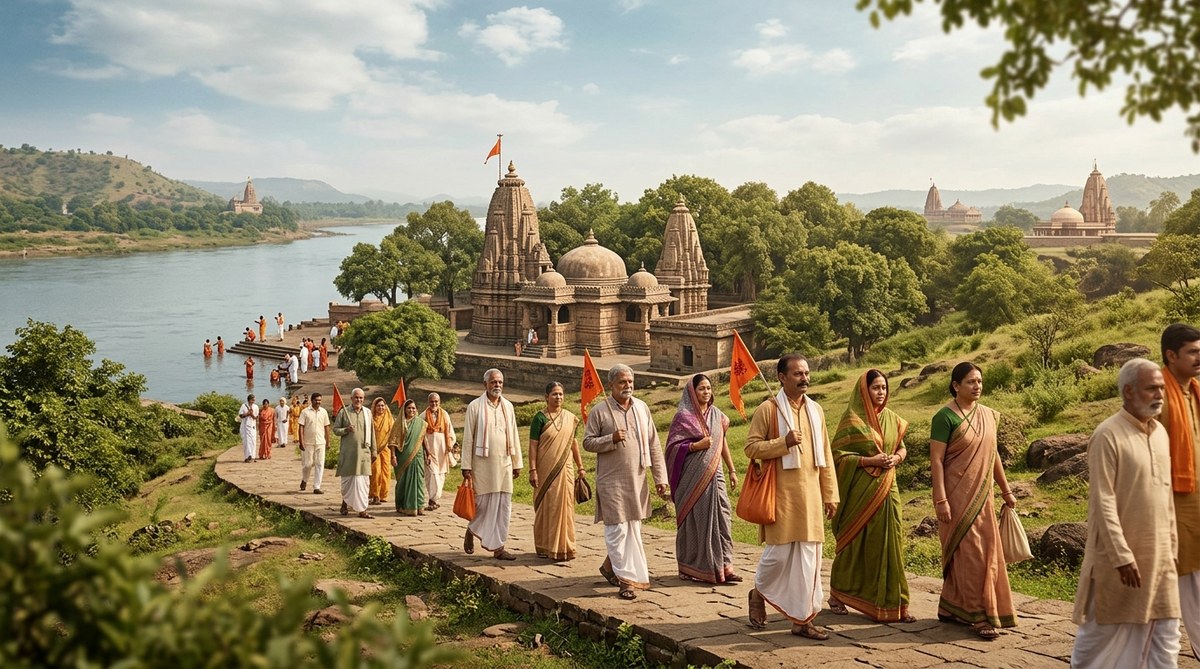
Pilgrimage journeys have long been the heartbeat of Indian culture. They are not just trips to sacred sites; they are immersive experiences that bind families, villages, teachers and travelers across generations. From the high Himalayas to the ancient river plains, these journeys stitch together faith, art, language and community. At ColorsOfIndia.media we celebrate these sacred trails because they reveal how traditions survive, adapt and flourish when people walk them again and again. If you are curious about how pilgrimage shapes identity, history and everyday life, join us as we map out routes, rituals and the living culture that surrounds them.
Historic Routes that Shaped Indian Culture
India hosts a constellation of pilgrim routes that have educated, inspired and connected countless communities. These journeys are cultural archives as much as they are spiritual quests. They have shaped languages, music, cuisine, crafts and social norms across centuries.
Char Dham: The Four Abodes of India
The Char Dham is one of the most venerable pilgrimage circuits in the country. It is a study in geography, devotion and shared memory, guiding pilgrims to four timeless sites that anchor the Indian spiritual map.
- Badrinath in the north, perched in the Garhwal Himalayas, embodies the sanctity of Vishnu and the beauty of lofty alpine landscapes.
- Puri on the eastern coast celebrates Jagannath and the vibrant religious life of Odisha.
- Rameshwaram in Tamil Nadu links memory and faith through the story of Rama and the sacred sea route.
- Dwarka in Gujarat completes the circuit with the legacy of Krishna and a city that has carried myth and trade across ages.
Together these four sites represent a sweeping arc from the Himalayan foothills to coastal plains. Pilgrims undertake the yatra with a sense of returning home to core values while witnessing the diversity of India’s landscapes and spiritual expressions. The Char Dham is more than a set of temples; it is a living map of devotion that has shaped ritual calendars, temple towns, and regional art forms across centuries.
The Sacred River Circuits: Varanasi, Prayagraj, Haridwar
Riverine pilgrimage is a thread that binds city life, ritual practice and cosmology. The Ganges and Yamuna river corridors carry myths, music and daily devotion across households.
- Varanasi, known as Kashi, is a city where life and death are daily near neighbors. A dip in the Ganges, a walk along the ghats, and an evening aarti create images that echo through poetry and cinema.
- Prayagraj (Allahabad) hosts the grand Kumbh Mela, a gathering that gathers millions and reflects India’s capacity for collective celebration and spiritual reflection.
- Haridwar, at the source of the Ganges, remains a crossroads of sages, pilgrims, teachers and street markets that sell myriad reminders of faith and discipline.
These river circuits are not just about a single moment of ritual. They shape musical traditions, temple architecture, and even local economies through seasonal pilgrim flows and festival calendars. They remind us that a river basin is a living classroom where philosophy meets daily practice.
Himalayan And Coastal Radials: Amarnath, Kailash Mansarovar and Coastal Shrines
Some journeys trace the edges of the Indian subcontinent and extend into the Himalayas and beyond. The Amarnath Yatra, conducted in the high valleys of Kashmir, focuses on faith in the divine as a personal encounter with nature’s extremes. The Kailash Manasarovar Yatra, though geographically intense, is remembered for linking Hindu, Buddhist and Jain reverence toward a single sacred peak and lake cluster. Coastal shrines, from Puri to Dwarka, illustrate how temple towns become hubs of music, dance, craft and hospitality.
These routes underscore a broader truth about Indian culture: pilgrimage is both inward and outward. The body is tested by terrain while the mind expands through mythic narratives and the companionship of fellow travelers. It is a practice that nurtures resilience and openness, values that communities pass along through generations.
Regional Pilgrimages and Cultural Identities
While the great circuits draw national attention, regional pilgrimages reveal the intimate textures of local culture. Each belt of India has its own sacred geography, languages and creative expressions.
Varanasi: The City of Light and Death
Varanasi is more than a pilgrimage stop; it is a living archive of spiritual practice. The city’s ghats, lanes and temples hold centuries of learning, music and philosophical debate. Pilgrims come to learn from sages, sing devotional songs, and reflect on life’s cycle in a place that many describe as both ancient and alive. The rituals here influence classical music, poetry and storytelling, reminding us that sacred travel can be a school for the arts as well as the soul.
Vaishno Devi and Amarnath: Himalayan Yatras
The foothills of Jammu and Kashmir are home to two of India’s most widely attended Himalayan yatra routes. While both demand careful planning and reverence for the harsh mountain environment, they also invite pilgrims to experience hospitality, shared meals and the warmth of community at hilltop shrines. These journeys connect faith with physical exertion, offering a sense of achievement that many travelers carry back to their daily lives.
Shirdi, Pandharpur and Other Devotional Corridors
In central and western India, devotional sites such as Shirdi and Pandharpur anchor everyday faith in accessible, intimate ways. Pilgrims come to venerate saints, chant their stories, and participate in festivals that celebrate humility, compassion and service. These journeys demonstrate how pilgrimage can be a lived practice that informs social behavior, charitable acts and family traditions.
The Architecture of Belief: Sacred Geography
Sacred journeys shape the built environment as much as the spiritual life of a community. Temples, mosques, monasteries and shrines define not only where people go but how they live together.
Temple Towns and their Creative Echoes
Temple towns are living museums of regional art. Sculptures, paintings, textile motifs and musical repertoires reflect centuries of exchange between artisans and pilgrims. The stories told in stone and sound travel with travelers from one region to another, gradually weaving a shared cultural language across diverse communities.
Sacred Maps in Everyday Life
Maps of pilgrimage routes influence everyday life: how markets sell offerings, what crafts are common along a circuit, and which languages or dialects you hear in temple towns. The cultural ecology of pilgrimage is a reminder that sacred travel is an engine for social memory and creative craft.
The Transformative Power of Pilgrimages
Pilgrimage journeys have a power beyond spiritual reward. They shape personal growth, deepen community bonds and inspire new ways of seeing the world.
- Personal transformation: Walking long routes invites reflection, humility and renewed purpose.
- Social bonds: Shared meals, stories and rituals create lasting friendships and neighborhood networks across states.
- Cultural renewal: Pilgrims return with new recipes, music, dance forms and storytelling traditions, enriching home communities.
- Diaspora connections: For many Indians living abroad, pilgrimages are a bridge to heritage and an opportunity to pass on cultural knowledge to younger generations.
These transformations are not abstract ideas. They manifest in festival calendars, school curricula, culinary menus and the way people greet visitors with warmth and respect.
Pilgrimage Routes and Socio Economic Impact
Pilgrimage routes are more than spiritual paths. They act as circuits of exchange that support local livelihoods and conserve heritage.
- Local economies thrive on pilgrim traffic through guest houses, eateries, crafts, and tour services.
- Heritage conservation benefits from the finances and attention pilgrimage brings to temples and historic sites.
- Sustainable travel practices emerge as communities learn to manage footfall, preserve sacred spaces and maintain ecological balance.
- Education and scholarship flourish when scholars and students travel to study temple architecture, inscriptions and regional art forms.
Artisans who craft temple icons, jewelry, textile patterns and musical instruments find markets through pilgrims and festival pilgrims. In this sense, pilgrimage sustains both culture and economy in meaningful ways.
Planning a Respectful Pilgrimage: Practical Tips
Many readers ask how to plan a meaningful pilgrimage that respects tradition and local communities. Here are practical guidelines to help you prepare.
- Start with a clear intention: Are you seeking spiritual insight, cultural learning, or family bonding?
- Choose the route that fits your season and physical readiness: High altitude routes require acclimatization; coastal routes may be humid and crowded.
- Respect local customs: Dress modestly for temple sites, remove shoes where required, and follow guide instructions.
- Prepare physically and mentally: Long walks, altitude changes and crowd experiences benefit from gradual training and reliable gear.
- Pack thoughtfully: Comfortable footwear, weather appropriate clothing, a small medical kit, hydration solutions and a lightweight prayer or journal.
- Engage respectfully with locals: Learn a few phrases in the local language, listen with patience, and support local guides and shops.
- Plan for sacred spaces with quiet time: Allow space for meditation or reflection, which can deepen your experience.
- Document responsibly: Take photos without intruding on others, and seek permission when photographing individuals or intimate rituals.
By approaching pilgrimage with preparation and reverence, travelers can have a richer experience and leave positive reminders of their visit.
The Diaspora Connection: Pilgrimage Across Borders
For many Indians living outside the homeland, pilgrimage remains a powerful connector to roots. Diaspora communities organize group yatras to India and host regional events that recreate a sense of home. These journeys help families teach younger generations about language, food, music and spirituality, ensuring cultural continuity even far from ancestral lands.
- Transnational pilgrimages: Diaspora groups travel together, sharing stories and traditions that travel with them.
- Cultural exchange: Pilgrimages inspire cross-cultural collaborations in music, dance and art between homeland communities and their new homes.
- Education and heritage: School and community programs use pilgrimage narratives to teach history, geography and ethics.
The diaspora experience demonstrates how a journey can become a bridge that crosses oceans while keeping Indian culture vibrant and relevant in diverse contexts.
Pilgrimage in the Modern Era: 21st Century Significance
Today’s pilgrims live in a world of digital maps, social media and sustainable travel concerns. Yet the essence of pilgrimage remains rooted in humility, learning and shared humanity.
- Digital tools enhance planning: Real-time weather updates, route information and crowd management help pilgrims prepare responsibly.
- Ethical travel and conservation: Communities are increasingly mindful of carrying capacity and the ecological footprint of pilgrimage sites.
- Interfaith dialogue: Pilgrimages bring together diverse faith communities to exchange ideas, celebrate common values and find mutual understanding.
- Cultural storytelling: Documentaries, blogs and digital photo essays allow wider audiences to experience sacred sites respectfully from afar.
These modern dimensions do not erode the sacredness of travel; they broaden access and deepen understanding while encouraging responsible tourism.
Colors Of India Way: How ColorsOfIndia.media Covers Pilgrimage Journeys
ColorsOfIndia.media is dedicated to celebrating India’s traditions and the cultural journeys that shape the nation. Our coverage of pilgrimages emphasizes:
- The cultural context behind sacred sites: rituals, music, festivals and the arts connected to pilgrimage.
- Stories that connect past and present: how ancient routes still influence contemporary culture, cuisine and craftsmanship.
- Practical guidance for travelers: planning tips, respectful engagement with local communities, and highlights of sustainable travel practices.
- Diaspora perspectives: how pilgrimage journeys link India with its global communities and support intergenerational learning.
If you are drawn to the spiritual landscapes of India, explore our articles that dive into festival journeys, pilgrimages and the enduring narrative of cultural heritage.
Key takeaways to remember
- Pilgrimage journeys are a thread that ties geography, ritual, art and history together.
- Historic routes like Char Dham and river circuits shape religious practice and regional cultures.
- Regional pilgrimages reveal the intimate textures of local life and creative expression.
- The transformative power of pilgrimage extends beyond individual faith and into community and heritage preservation.
- The diaspora keeps the flame of pilgrimage alive across borders through shared rituals and cultural exchange.
Call to action
- If you enjoyed this journey through India’s sacred trails, subscribe to ColorsOfIndia.media for more in-depth features on festival journeys, pilgrimages and cultural stories that connect the past to the present.
- Share your own pilgrimage experiences in the comments or on our social channels, and tell us which site or route resonates with your family’s story.
In the end, pilgrimage journeys are more than routes on a map. They are living conversations between people, places and the ages. They teach us the values of reverence, curiosity and welcome. They invite travelers to become part of a larger story that India has been telling for thousands of years — a story of culture that continues to shape how we live today and how we imagine tomorrow.