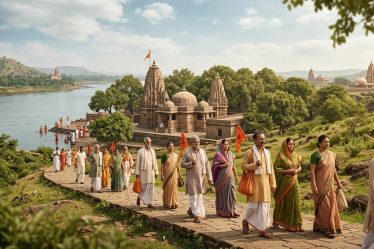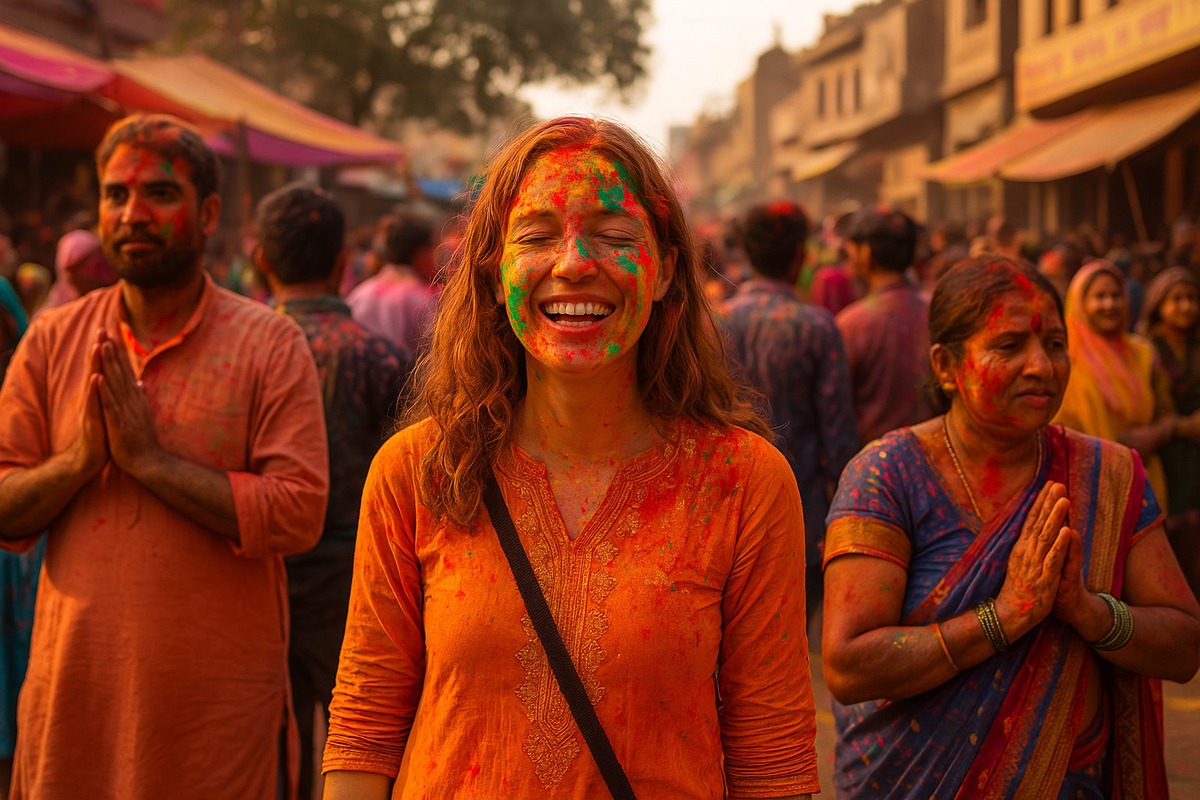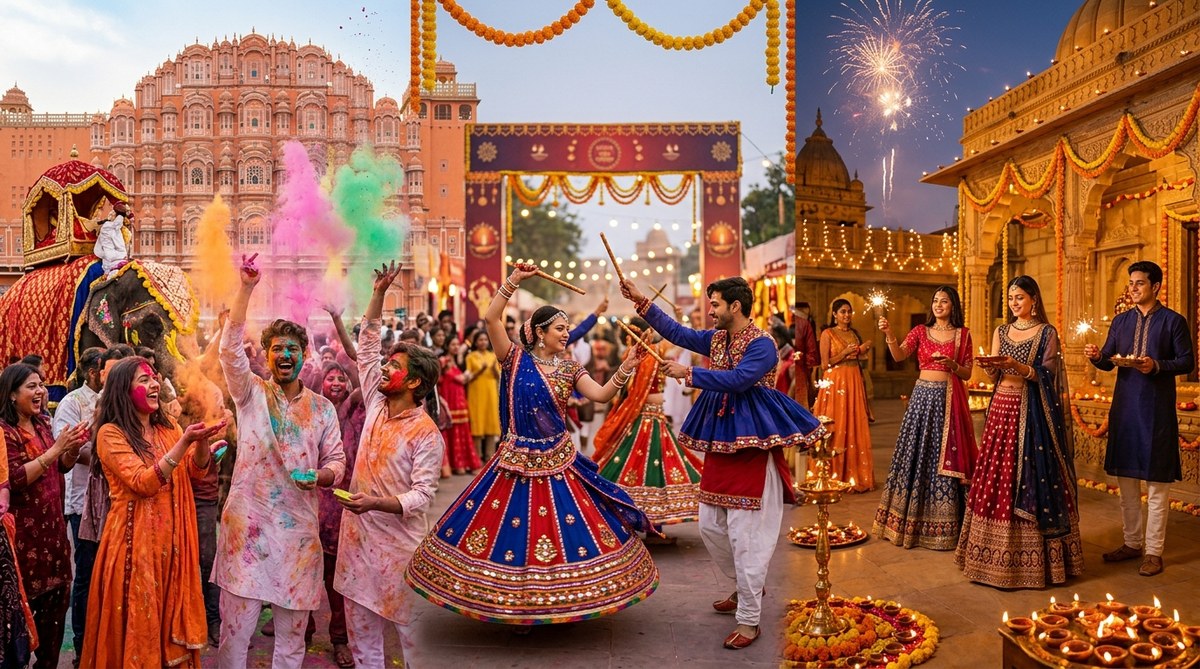
India moves with the rhythm of its festivals. They are more than days on a calendar; they are living stories that travel with families from village to city, across borders, and into the memories of the diaspora. At ColorsOfIndia.media we celebrate how these celebrations bring together art, faith, food, and community. In this guide we explore eight major Indian festivals, unpack their cultural meanings, and share how they are observed in homes, temples, markets, and street corners. Whether you are planning a festival journey or simply curious about the roots of these colorful occasions, you will find here a thoughtful, reader friendly overview that connects tradition with contemporary life.
Diwali – The Festival of Lights
Origins and myth behind the glow
Diwali marks the return of Lord Rama to Ayodhya after a triumph over the demon king Ravana, according to the Ramayana. It also honors the goddess Lakshmi, the goddess of wealth and prosperity. The common thread across regions is the idea that light dispels darkness and knowledge dispels ignorance. Communities weave that symbolism into their homes and hearts by turning spaces bright with lamps and lamps illuminate the path of justice and virtue.
Rituals and celebrations that light up life
- Clean and decorate the home with rangoli designs at the entrance and place clay lamps called diyas throughout living spaces.
- Visit temples and perform Lakshmi Puja at the peak of the festival to invite wealth, well being, and blessings for all.
- Burst crackers in a responsible way and with safety in mind, and share moments of togetherness with neighbors and friends.
- Exchange gifts and prepare sweets for family gatherings.
Foods and symbols of abundance
- Sweets such as laddoo, barfi, and karanji are shared with friends and relatives.
- Savory snacks, fried treats, and festive meals reflect regional tastes from Gujarat to West Bengal.
- In many homes a bhog offering is prepared for deities and then offered to guests as a sign of sharing abundance.
Diwali around the world and in the diaspora
Diaspora communities carry the same light from home to new cities. Lanterns, fireworks, community pujas, and cultural programs become a bridge between Indian roots and new homes. In Singapore, Nairobi, Toronto, and beyond you will see street processions, temple celebrations, and diya lighting ceremonies that echo the Indian heart of Diwali.
Traveler tips
- Dress appropriately for temple or puja spaces and respect local customs.
- Plan to attend a public Diwali puja for an immersive cultural experience.
- Carry a small gift for hosts if you are invited to meals during the festival.
Holi – The Festival of Colors
Origins and myth that colors the year
Holi has multiple legends, most commonly linked to the love between Krishna and Radha and the triumph of good over evil. The festival celebrates joy, renewal, and the breaking down of social barriers through color and play.
How Holi is celebrated
- People throw colored powders and water on each other in playful revelry.
- Bonfires on the eve of Holi, known as Holika Dahan, symbolize the burning away of negativity.
- Families gather for festive meals, music, and song in many neighborhoods.
Foods and festive flavors
- Gujiya, a sweet pastry filled with khoya and dry fruits, is a Holi favorite in many regions.
- Thandai, a refreshing milk based drink spiced with cardamom, saffron, and sometimes cannabis, is a popular beverage in some communities.
Holi across continents
Cities around the world host color soaked celebrations, large outdoor events, and cultural programs that introduce new audiences to a festival rooted in Indian tradition.
Practical tips for celebrating
- Protect eyes and skin with sunglasses and sunscreen to reduce irritation from powders.
- If you have sensitive skin, test colors on a small area first or choose natural, skin friendly powders.
- Respect local rules about public spaces and environmental considerations when cleaning up.
Eid al Fitr
The end of a blessed month
Eid al Fitr marks the end of Ramadan a month of fasting, prayer, and reflection for Muslims. It is a time of gratitude and community. The exact date changes each year based on the lunar calendar.
How Eid is observed
- Muslims gather for a special prayer at mosques or open fields in the morning.
- A charitable act called Zakat is given to help those in need.
- Families share a festive meal and visit relatives with gifts and greetings.
Foods and feasts
- Sheer Khurma a rich vermicelli pudding, dates, and fruits are common in many households.
- Biryani, kebabs, and a variety of sweets accompany the feast in different regions.
The spirit of inclusion
Eid brings together friends, neighbors, and colleagues from diverse backgrounds to share in the spirit of generosity and hospitality. It is a reminder that celebration can be a bridge between communities.
Practical traveler notes
- Dress modestly when visiting mosques and follow guidelines for respectful attire.
- If you are invited to an Eid meal, it is customary to bring a small gift or dessert to share.
- Plan to visit a local market for Eid specialties and witness the warmth of hospitality.
Navaratri – Durga Puja
The nine nights of goddess power
Navaratri or Durga Puja is a festival of nine nights that honors the divine feminine energy. In Bengal the festival is especially celebrated as Durga Puja with elaborately crafted idols, lighting, and cultural programs.
Rituals and cultural celebrations
- Daily pujas and temple visits that culminate with a grand immersion of idols in water bodies or rivers.
- Traditional dances such as Garba in Gujarat or Dandiya in many parts of North India during the night.
- The staging of dramatic depictions of the goddess’s victories against demons in many urban areas.
Foods that celebrate the nine nights
- Special bhogs and offerings to the goddess, often featuring seasonal vegetables and sweets.
- Regional dishes vary from khichdi and rajbhog in Bengal to puri bhaji in other regions.
The diaspora experience
In major cities around the world Navaratri celebrates with dance nights, live music, and community gatherings that invite younger generations to learn and participate.
Suggested ways to experience Navaratri
- Attend a local puja or Durga Puja immersion event to feel the festive energy.
- Learn a few Garba steps with a friend or mentor and join in the dancing.
- Try a festival friendly menu featuring seasonal produce.
Raksha Bandhan
The thread of protection and affection
Raksha Bandhan celebrates the bond between brothers and sisters. A sister ties a rakhi a decorative thread on her brother’s wrist and prayers for his protection, and in return the brother promises care and support.
How the festival unfolds
- Siblings exchange gifts and reminisce about shared memories.
- Families gather for meals, often with a touch of sweets and festive desserts.
- In many regions, the celebration extends to cousins and close neighbors who are like siblings.
Foods and family rituals
- Sweets and snacks shared as part of the ritual.
- Regional dishes reflect the culinary diversity of India from North to South.
A message for all communities
Raksha Bandhan is about closeness, caring, and the enduring ties of family and friendship. It resonates with many who value the idea of duty and affection across generations.
How to join in respectfully
- If you are invited to a rakhi ceremony, observe the customs and offer a small token of appreciation.
- It is a day to appreciate the women and men who stand as pillars in the family and community.
Pongal and Makar Sankranti
Harvest and sun worship
Pongal in Tamil Nadu and Makar Sankranti across North India mark the harvest and the movement of the sun northward. This transition is celebrated with gratitude for the sun and the warmth of the harvest.
Customs and rituals
- Pongal is celebrated with a dish named pongal, a creamy mixture of rice and lentils cooked with jaggery and spices.
- Colorful kolam or rangoli decorate homes to welcome prosperity.
- In many regions, kite flying during Makar Sankranti symbolizes rising ambitions and the energy of the season.
Food and flavors
- Sweet pongal is central to Tamil celebrations, often prepared with ghee and cashews.
- In other states, people prepare sesame brittle laddoos and other seasonal sweets.
Travel tips for festival goers
- If you are visiting a region during Pongal or Sankranti, try a complete regional feast that includes traditional dishes.
- Be mindful of weather and crowds, especially in city markets and temple squares.
Ganesh Chaturthi
The birth of the elephant god
Ganesh Chaturthi celebrates the birth of Lord Ganesha, remover of obstacles and patron of arts. The festival is strongly associated with devotion, art, and community service.
Observances and community involvement
- Clay idols of Ganesha are installed in homes and public pandals (temporary structures) for ten to twelve days of worship.
- Immersion day signals the return of the idol to the sea or river.
- Communities gather for cultural programs, music, and art exhibitions revealing the creativity of the region.
Foods and flavors
- Modak a sweet dumpling filled with jaggery and coconut is the favored treat.
- Other snacks and festive foods complement mid festival gatherings.
Cultural significance
Ganesh Chaturthi is a celebration of beginnings. It invites people to remove obstacles in daily life and to pursue creative and scholarly pursuits with a hopeful spirit.
Onam
Kerala’s harvest festival
Onam brings together a broad spectrum of people in Kerala to celebrate prosperity, harvest, and the legendary return of King Mahabali. The festival is known for a sense of season long hospitality and inclusive celebration.
Traditions and rituals
- The grand ceremonial feast known as Onam Sadya features a variety of vegetarian dishes served on a banana leaf.
- The traditional boat race, the Vallam Kali, and the intricate flower carpets called Pookalam are highlights.
- Homes and temples display vibrant art, costumes, and parades that reflect the rich culture of Kerala.
Culinary delights that define Onam
- A full vegetarian feast with rice, curries, sambar, avial, and payasam dessert.
- Regional specialities vary across households and communities but the spirit is shared kindness and generosity.
Diaspora and cultural exchange
Onam communities around the world celebrate with similar food traditions, cultural performances, and community gatherings. It is a festival that travels well and invites everyone to share in the abundance of harvest.
The cultural meaning behind the colors of Indian festivals
- Light and resilience: Diwali teaches that knowledge and virtue shine brighter than darkness.
- Joy and togetherness: Holi turns neighborhoods into open spaces where laughter and color bridge differences.
- Gratitude and generosity: Eid al Fitr centers on prayer and charity as acts of gratitude.
- Strength and feminine energy: Navaratri and Durga Puja celebrate power, protection, and compassionate courage.
- Bonds and care: Raksha Bandhan emphasizes family, friendship, and mutual responsibility.
- Renewal and harvest: Pongal and Makar Sankranti mark the sun’s journey toward longer days and richer harvests.
- New beginnings: Ganesh Chaturthi invites fresh starts in art, commerce, and personal projects.
- Abundance and hospitality: Onam is a reminder that generosity makes communities thrive.
Festivals as journeys across space and time
- Historical journeys: Listening to myths behind each festival connects us with ancient stories that still shape modern life.
- Regional tapestries: Different regions bring unique foods, rituals, and art forms while sharing core values.
- Diaspora stories: Indian festivals travel with people as they migrate, influencing local culture and bridging communities.
Practical ideas to explore the festivals through ColorsOfIndia.media
- Embark on immersive festival journeys: follow a festival from preparations to immersion or final celebrations to see how homes transform.
- Explore food stories: write about regional sweets and savory dishes associated with each festival and how diaspora communities adapt recipes with local ingredients.
- Document ritual diversity: record Puja rituals, dances, food offerings, and the symbolism of colors to highlight the universal threads of Indian culture.
- Share personal narratives: invite readers to submit their own festival memories that connect past and present.
Final reflections on major Indian festivals
India is a land where rituals carry forward generations of knowledge while continuing to evolve with modern life. The eight festivals covered here illuminate the deep values of family, community, hospitality, gratitude, and resilience. They remind us that culture is not simply preserved in a museum or archive; it is lived in kitchens, temples, markets, and streets.
As you travel or simply wander through a city during festival season, notice the colors, the smells, and the voices that carry the stories of millions. Notice the meals shared with neighbors and the prayers offered for a bright future. Notice how a lamp in a doorway can be a beacon of welcome, how a rangoli on a doorstep can invite new connections, and how a simple flower in bloom can symbolize hope for tomorrow.
ColorsOfIndia.media invites you to keep exploring these festival journeys, to savor the culinary diversity that accompanies celebration, and to celebrate how India’s traditions connect the past to the present. Whether you are part of the Indian diaspora or a curious traveler, may these festivals remind you that culture is a living conversation carried in the warmth of family, the energy of communities, and the colorful spectrum of life.
If you enjoyed this guide to major Indian festivals and their cultural meanings, stay connected with colorsofindia.media for more festival stories, travel insights, and rituals from across India.