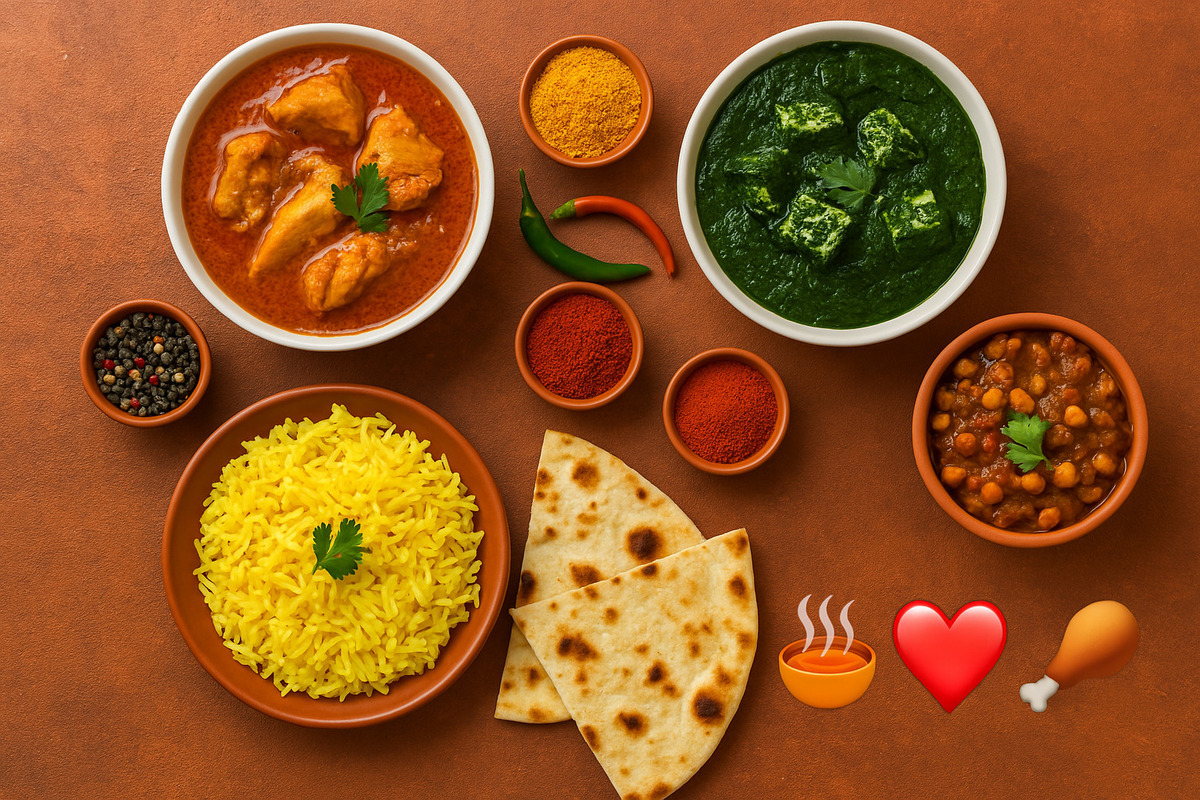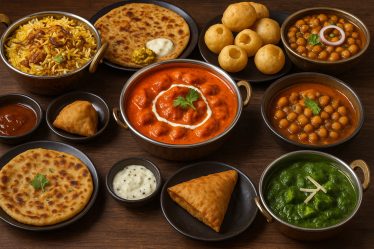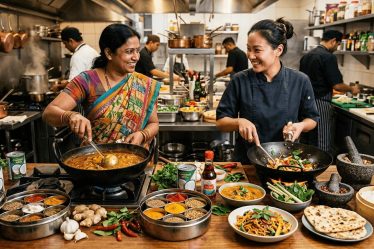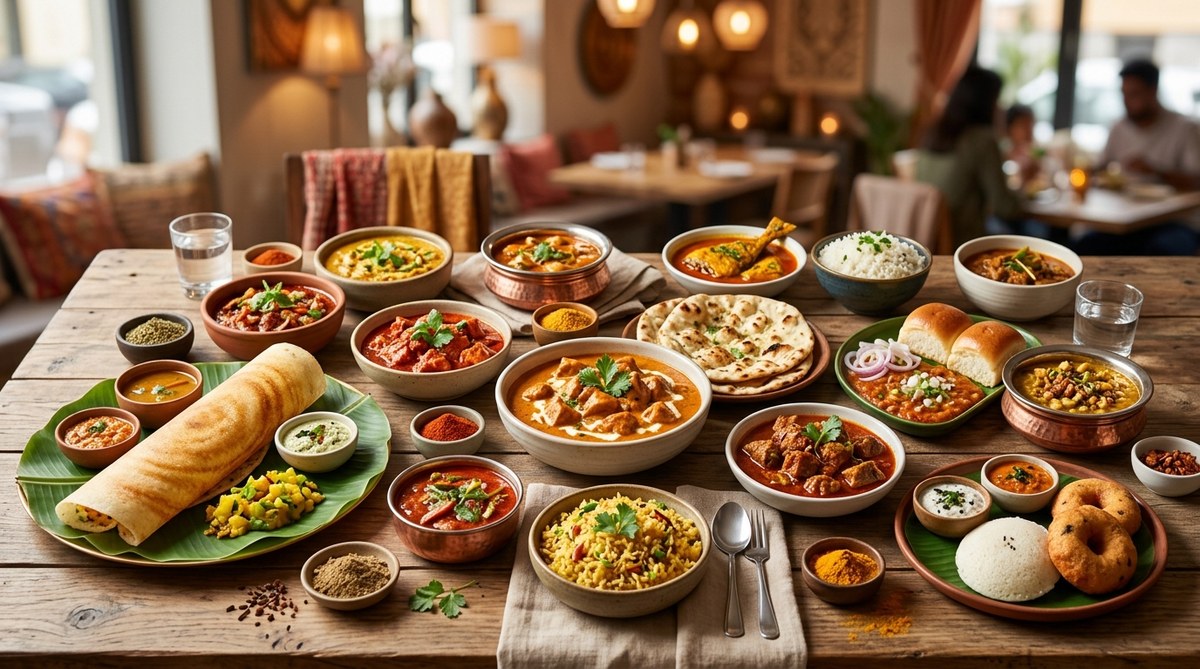
India is a country where the knee of one village touches the elbow of another through a shared love of food. Every region writes its own delicious chapter on the same grand canvas of spices, harvests, rivers, and coastal winds. At ColorsOfIndia.media we celebrate this culinary diversity by taking you on a regional journey that reveals how geography, history, and culture shape what ends up on our plates. From the tandoor glow of the North to the coconut kissed coastlines of the South, from the mustard fields of the East to the millet and jaggery traditions of the West, Indian cuisine is a living mosaic. Ready to travel with your taste buds? Let us guide you through flavors, stories, and the sensory joy of regional cooking.
A map of flavors: how geography shapes cuisine
India is a land of regional flavors that develop in response to climate, terrain, and trade routes. Consider how:
- The plains of the Ganges basin nurture lentils, wheat breads, and dairy rich curries.
- The Deccan plateau favors millets, sorghum, and bold spice blends that stand up to sun and heat.
- The western coast gives you coconut, seafood, and fiery masalas influenced by centuries of maritime exchange.
- The eastern belt rewards mustard oil, fish, rice, and sweets that balance sweetness with tartness.
- The Himalayan foothills and north eastern states contribute an array of herbs, greens, and preserved ingredients shaped by long winters.
In regional cooking you will find common threads like the use of spices to create aroma and depth, the reliance on pulses and rice as staple grains, and a strong tradition of fermentation and pickling. Yet the ways these threads are woven vary dramatically, producing dishes that are instantly recognisable to someone who has visited a given region and tasted its specialties.
Northern Indian cuisine: robust flavors, tandoor traditions
Northern Indian Cuisine
Northern Indian cooking is often associated with hearty breads, dairy richness, and tandoor driven grilling. Its flavors lean toward creaminess, warmth, and a comforting balance of spice and subtly sweet notes.
- Top dishes to know:
- Butter chicken with velvety tomato gravy
- Dal makhani, slow cooked black lentils with butter
- Aloo gobi, a rustic potato and cauliflower curry
- Chole bhature, chickpeas with fluffy fried bread
- Rogan josh, a fragrant lamb curry
- Signature ingredients:
- Ghee and cream for luscious richness
- Whole spices like cloves, cardamom, cinnamon
- Garam masala for finishing warmth
- Classic accompaniments:
- Naan and roti
- Jeera rice or pulao
- Raita cooling on the side
Northern Indian street foods and snacks
North India is also famous for chaat and quick bites that appear at every corner of a busy city market.
- Popular street bites:
- Samosa and aloo tikki with tangy chutneys
- Pani puri with zesty water
- Kathi rolls with spiced fillings wrapped in a paratha
- Tips for enjoying safely:
- Look for stalls with high turnover, clean utensils, and fresh ingredients
- Prefer freshly fried items and piping hot curries
Geographically the North blends Punjab, Uttar Pradesh, Haryana, Delhi, and parts of Rajasthan, each adding its own grain breads, dairy desserts, and festival sweets into the broader Northern palate.
Southern Indian cuisine: rice and coconut, lentils and tamarind
Southern Indian Cuisine
Southern cooking centers on rice as a staple and coconut as a versatile ally. The coastal states lean into fish, tamarind, and fiery chilies, while the interior plateaus showcase lentils, tamarind tang, and a repertoire of masalas that strike a balance between heat and aroma.
- Dishes you should try:
- Dosa and idli with sambar and coconut chutney
- Hyderabadi biryani that blends cinnamon, cloves, and saffron with tender meat or vegetables
- Rasam and dal with a spoonful of ghee
- Avial a mixed vegetable curry with coconut
- Regional specialties:
- Tamil Nadu: Chettinad chicken with a bold spice blend
- Kerala: Fish curry with coconut milk and curry leaves
- Karnataka: Mysore masala dosa and coastal fish curries
- Andhra Pradesh and Telangana: Spicy chili heat, tamarind tang, and rice heavy meals
- Key ingredients that define the region:
- Rice varieties like sona masuri and parboiled rice
- Coconut in oil, milk, and grated form
- Mustard seeds and curry leaves as flavor building blocks
Southern street flavors
From coastal towns to inland markets you will find a spectrum of street snacks that celebrate rice flour, lentils, and coconut.
- Notable bites:
- Vada and medu vada, crunchy dumplings enjoyed with chutneys
- Avarekai and peanut based street snacks in Karnataka
- Pesarattu, a green gram crepe from Andhra
Southern Indian cuisine is deeply regional, but you will sense a shared love for bright sour notes, slow simmered curries, and the texture play between crisp dosas and soft sambar.
Eastern Indian cuisine: subtle sweetness and bold mustard
Eastern Indian flavors
Eastern cuisine from the state of West Bengal through Odisha to parts of Bihar has a distinct profile that blends sweet and savory with a pronounced use of mustard oil and fish, especially in the riverine plains.
- Hallmark dishes:
- Fish curry with mustard and poppy seeds
- Bengali sweets such as rasgulla and sandesh
- Pithe and pitha sweets during harvest festivals
- Signature ingredients:
- Mustard oil for pungent aroma
- Panch phoron a five spice blend used in Odisha and Bengal
- Mustard seeds and panch phoron for tempering
- Highlights:
- Rice is a major staple in many households
- Dairy products like churned butter and paneer appear in both savory and sweet recipes
- Sweetness balances the sour notes of tamarind and yogurt
Eastern festive foods and snacks
- Snacks and sweets:
- Mishti doi a rich yogurt dessert
- Sandesh a delicate paneer based sweet
- Pithe a seasonal dumpling made with rice flour
- Coastal east influences:
- Fish curries with mustard and green chilies
- Mango chutneys and tangy tamarind accompaniments
Eastern cuisine offers a refined balance between delicate flavors and robust regional staples, making it a favorite for gourmets who love nuanced spice and sweet contrasts.
Western Indian cuisine: coastal abundance and desert resilience
Western Indian flavors
The western belt includes Gujarat, Maharashtra, Rajasthan, and the Goan coast. The cuisine here is incredibly diverse, ranging from vegetarian thalis to coastal seafood feasts and desert millet breads.
- Notable dishes:
- Dhokla and the farsan tradition from Gujarat
- Puran poli and sabudana khichdi from Maharashtra
- Dal bati churma from Rajasthan
- Goan fish curry with coconut and kokum
- Core ingredients:
- Millets and wheat for breads like bhakri and bhajias
- Tamarind and kokum to balance spicy heat
- Coconut in coastal variants and sesame seeds in inland snacks
- Street foods and snacks:
- Vada pav in Mumbai
- Pav bhaji shared across many city streets
- Undhiyu a winter vegetable dish often served with puri or roti
Western vegetarian delights
- Dishes that showcase the region’s love for vegetables and pulses:
- Undhiyu muthia and surti papdi lilva sabzi
- Bhakri with methi thepla and garlic chutney
- Bajra rotla with gatte ki sabzi in Rajasthan
Western Indian cuisine demonstrates how climate and agriculture push a cuisine toward millets and hearty vegetarian plates in arid zones while paving the way for coastal seafood feasts when the sea calls.
Street foods that define regions
Street food is the heartbeat of many Indian regions. It offers a delicious, often affordable, window into a locale’s culinary soul.
- North India street picks:
- Chaat with tangy tamarind and mint chutneys
- Samosa with spicy potato filling
- Chole bhature to pair with the busy market rhythm
- South India street picks:
- Idli vada with fresh chutney pairs
- Sundal and banana leaf meals in festivals
- Kanchipuram idli and spicy chutneys that travel well
- East and West street picks:
- Pithas and mishti specials in the East
- Pav bhaji and vada pav in the West
- Samosa hot from a roadside cart with a chai
- Tips for street food exploration:
- Start with familiar items to gauge hygiene and spice level
- Watch for crowd favorites to gauge freshness
- Bring water or ask for bottled options when available
Street foods reveal how regional ingredients meet clever, quick cooking methods to create vibrant flavors that still feel like home.
Festive flavors and regional specialties
India celebrates many festivals with dishes that are especially associated with a region or community.
- Diwali sweets and snacks:
- Laddoos, barfis, and gifting platters in North and West regions
- Coconut laddoo and kheer like desserts across the South
- Pithe and payesh in the East
- Harvest and religious fairs:
- Pongal and annam from Tamil Nadu with new rice, milk, and jaggery
- Navratri foods with seasonal vegetables and fasting dishes
- Onam sadhya a grand feast from Kerala featuring rice, curries, and payasam
- Regional delicacies in festivals:
- Undhiyu and puran poli during winter celebrations in Gujarat and Maharashtra
- Rasgulla and mishti doi during autumn festivals in Bengal
- Pulao and kebabs in DelhI and Lucknow wedding menus
Festive foods are not just about taste; they encode history, harvest cycles, and community rituals in every bite.
Ingredients that travel with Indian diaspora
The global Indian diaspora carries a shared pantry of spices and techniques that adapt to new kitchens.
- Shared pantry:
- Rice, lentils, and dried pulses stay central to many meals
- Mustard oil and ghee are common flavor enhancers across regions
- Tamarind, coconut, and curry leaves show up in many fusion dishes
- Diaspora driven flavors:
- Indian Chinese fusion born in Calcutta and beyond
- Parsi and Maharashtrian influences in western markets
- Goan and coastal tastes in North America and Europe
- How to recreate regional notes at home abroad:
- Build a spice shelf with garam masala, sambar powder, and curry leaves
- Use mustard oil for a sharp, authentic aroma
- Stock tamarind paste, coconut milk, and kokum for tang and depth
Diaspora influenced cooking is a reminder that Indian cuisine is both rooted and roaming, evolving with each new kitchen it enters.
Spices and masalas: building the flavor ladder
Spices are the alphabet of Indian cooking. A region may swap a few letters but the grammar remains recognizable.
- Core masalas:
- Garam masala a warm, fragrant blend used in gravies
- Dhanajeera a coriander cumin mix common in North and South
- Sambar powder a regional staple for lentil and vegetable stews
- Tempering and technique:
- Tadka tempering of oil with cumin, mustard seeds, curry leaves, and asafoetida
- Blooming spices in hot ghee or oil to release aroma
- Slow simmering to marry flavors without burning delicate ingredients
- Practical tips:
- Toast whole spices before grinding to unlock deeper aroma
- Grind spice blends as needed to preserve freshness
- Balance heat with acid and sweetness to suit the dish
Understanding masalas helps in both appreciating traditional recipes and adapting them to your modern kitchen.
Cooking at home: regional meal ideas
Taking a regional approach at home makes Indian meals feel like a culinary trip without leaving your kitchen.
- Northern style dinner plan:
- Starter: palak paneer or samosa
- Main: butter chicken with naan or roti
- Side: cucumber raita and pickled onions
- Dessert: kheer or kulfi
- Southern style dinner plan:
- Starter: medu vada with coconut chutney
- Main: sambar with idli or dosa
- Side: coriander chutney and aviyal
- Dessert: payasam
- Eastern style dinner plan:
- Starter: begun bhaja (fried brinjal)
- Main: macher jhol (fish curry) with steamed rice
- Side: mishti doi or rasgulla for dessert
- Western style dinner plan:
- Starter: dhokla with green chutney
- Main: dal bati churma or goan fish curry
- Side: bajra rotla or chapati
- Dessert: modak or shrikhand
Tips for hosting regional meals:
– Plan a tasting menu that lets guests sample textures from crispy to creamy
– Include a simple spice education card so guests understand what they are tasting
– Pair each course with a traditional beverage, like lassi, chaas, or a spiced tea
Planning a regional culinary itinerary across India
If you could travel India through taste, what would your route look like? Here is a practical starter itinerary that captures major regional flavors:
- Start in Delhi and Punjab for whetted breads and tandoor specialties
- Move to Rajasthan and Gujarat for millet breads, dals, and vibrant street foods
- Head south along the Konkan coast for Goan fish curries and coconut rich curries
- Enter Karnataka and Tamil Nadu for dosas, rice based meals, and coconut driven curries
- Explore Kerala for seafood, coconut milk curries, and fragrant rice dishes
- Finish with West Bengal and Odisha to savor fish curries, sandesh, and pitha
If you cannot travel, you can still explore this journey by cooking from regional cookbooks, watching regional food channels online, and visiting local markets to source regional ingredients. ColorsOfIndia.media is here to guide you with authentic recipes and cultural context that bring each region alive in your kitchen.
The heart of India in every bite
Indian regional cuisine is not a single defined cuisine; it is a living spectrum that changes with seasons, crops, and communities. It is a celebration of how people adapt to their environment and share their stories through food. At ColorsOfIndia.media we believe that food is a language that connects the past with the present, the farmer with the family table, and the street vendor with the home kitchen.
- Why experience regional cuisine:
- It reveals a region’s climate, agriculture, and history
- It highlights the diversity of grains, pulses, and dairy
- It showcases craftsmanship in spice blending and cooking techniques
- It invites exploration through festivals, markets, and home kitchens
- How to approach regional cooking:
- Start with a single region and learn its staple grain and spice profile
- Build a small pantry around a few core spices and a couple of regional ingredients
- Cook a complete regional meal to experience balance and progression of flavors
Final reflections: embracing India s culinary diversity
Indian cuisine is a broad, beautiful mosaic that invites curiosity, patience, and daily practice. Whether you are cooking at home, sampling a street corner, or planning a culinary travel plan, allow yourself to be guided by place and season. Observe how a city market smells when turmeric is roasted with cumin; notice how a coastal kitchen uses coconut in ways that feel both ancient and modern; listen to cooks describe a dish as they stir a pot and tell a memory.
The regional variety is what makes Indian food endlessly inviting. Each region adds its own color to the plate, creating a map you can taste with every bite. We invite you to return to ColorsOfIndia.media for more regional profiles, seasonal menus, festival food stories, and practical cooking guides that bring the culinary diversity of India to your home kitchen.
Appendix: quick regional reference
- Northern staples: wheat breads, dairy richness, tandoor grilled dishes
- Southern staples: rice, coconut, tamarind, lentil curries
- Eastern staples: fish and mustard oil, sweet yogurt desserts
- Western staples: millets and breads, coastal seafood, spice heavy snacks
If you enjoyed this regional tour, tell us which region you would love to explore next, or share a favorite dish that sparked your curiosity. ColorsOfIndia.media is here to bring the kitchens of India closer to your table with authentic, story driven content that celebrates tradition and modern taste alike.