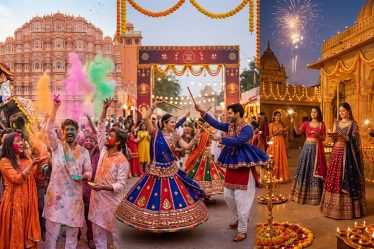
Three simple words can carry the weight of a lifetime. In India, those words shift in sound, rhythm, and script from state to state, yet their emotional core stays tender and strong. Love in India is spoken softly between newlyweds, sung loudly in cinema halls, whispered in temples, and written carefully in letters that travel across oceans. The phrase changes with language, but the feeling remains constant.
If you want to say love you in hindi, you would say “Main tumse pyaar karta hoon” or “Main tumse pyaar karti hoon,” depending on your gender. Even that small detail tells a story. Indian languages often reflect identity and relationship through grammar. Words are shaped by culture, respect, and social context.
India recognizes dozens of major languages and hundreds of dialects. Each one carries its own music. Each one offers its own way to confess affection. To understand how to say I love you across India is to understand something deeper about belonging, family, and emotional expression.
In Short, Love in Many Tongues
- India has multiple ways to express romantic love.
- Grammar often reflects gender and respect.
- Regional history shapes emotional tone.
- Love is expressed through words, gestures, and poetry.
- Meaning goes beyond literal translation.
Love in Hindi and the Heartland
Hindi is widely spoken across northern India. The phrase “Main tumse pyaar karta hoon” translates directly as “I love you.” “Pyaar” is the key word. It means romantic love, affection, and emotional attachment. The verb changes slightly depending on whether the speaker is male or female.
Hindi also carries layers of formality. “Tum” feels intimate. “Aap” is respectful. If you use “aap,” the phrase becomes more polite and slightly distant. That shift shows how Indian languages encode social hierarchy into everyday speech. A romantic partner might be addressed as “tum,” but elders always receive “aap.”
For readers interested in how language reflects national identity, themes of belonging echo through discussions of diaspora and home, as seen in conversations about cultural roots and overseas life in Indian identity abroad. Language remains one of the strongest emotional anchors for Indians living far from home.
Southern Languages and Soft Vowels
Move south and the sound of love changes. In Tamil, you say “Naan unnai kadhalikkiren.” In Telugu, “Nenu ninnu premisthunnanu.” In Kannada, “Naanu ninna preetisuttiddene.” In Malayalam, “Njan ninne snehikkunnu.” Each phrase flows with long vowels and rolling consonants.
The word “kadhal” in Tamil carries poetic resonance. It appears frequently in classical Sangam poetry. “Sneham” in Malayalam leans closer to affectionate love and friendship. “Prema” or “preeti” in Telugu and Kannada carries warmth and romantic intensity. The choice of word reflects tone.
Southern languages belong to the Dravidian family. Their grammatical structures differ from Indo Aryan languages like Hindi and Bengali. For linguistic context, the Dravidian language family offers a detailed overview of how these languages developed and spread across southern India. That history shapes how emotions are phrased even today.
Eastern India and Poetic Expression
In Bengali, love sounds lyrical. “Ami tomake bhalobashi” is the phrase. “Bhalobasha” means love that is heartfelt and soulful. Bengali literature is filled with romantic longing and spiritual devotion. The language naturally lends itself to tender confession.
Odisha offers “Mu tumaku bhalapae” in Odia. In Assamese, it becomes “Moi tomak bhal pau.” These languages share certain roots but each has its own script and pronunciation. Emotional tone varies slightly, shaped by regional music, folk traditions, and storytelling.
Indian literature has long intertwined romance with devotion. That connection appears clearly in Indian literary icons and their works, where poets and novelists frame love as both earthly and spiritual. Many regional love phrases carry echoes of that tradition.
Western India and Rhythmic Warmth
In Marathi, “Mi tujhyavar prem karto” expresses romantic love. Gujarati offers “Hu tane prem karu chhu.” Both languages use variations of “prem,” a Sanskrit rooted word meaning deep affection.
Punjabi, spoken across Punjab and by a large diaspora, says “Main tenu pyaar karda haan.” Punjabi love songs are bold and expressive. The language carries energy. It feels vibrant and direct.
Across Rajasthan and parts of Gujarat, local dialects bring subtle shifts in pronunciation. Words stretch or shorten. Tone becomes playful. India does not offer one fixed script for love. It offers many.
A Color Coded Glimpse at Love Across India
| Language | Phrase | Key Word | Emotional Tone |
|---|---|---|---|
| Hindi | Main tumse pyaar karta hoon | Pyaar | Romantic and intimate |
| Tamil | Naan unnai kadhalikkiren | Kadhal | Poetic and intense |
| Bengali | Ami tomake bhalobashi | Bhalobasha | Tender and lyrical |
| Punjabi | Main tenu pyaar karda haan | Pyaar | Bold and expressive |
| Malayalam | Njan ninne snehikkunnu | Sneham | Affectionate and warm |
Five Cultural Layers Behind the Words
Understanding how to say I love you in Indian languages requires looking beyond translation. The words carry social codes and emotional nuance.
1. Gender often shapes verb endings. The speaker identifies themselves through grammar.
2. Respect matters. Pronouns shift depending on age and relationship.
3. Family context influences expression. Public displays of affection may remain subtle.
4. Cinema amplifies romance. Bollywood and regional films popularize certain phrases.
5. Poetry and devotion blur boundaries between romantic and spiritual love.
These layers show that love in India is not merely spoken. It is performed, sung, and enacted in rituals and festivals.
Beyond Romance, Other Forms of Love
Indian languages also distinguish between romantic love and other bonds. Sanskrit offers several terms. “Prema” suggests deep love. “Sneha” reflects friendship and affection. “Bhakti” means devotional love toward the divine.
In many families, parents rarely say I love you directly. Instead, love appears in actions. Food is prepared carefully. Education is prioritized. Sacrifice becomes a language of affection. Words may be fewer, but emotion runs deep.
Across India, wedding rituals reflect this emotional complexity. Traditional ceremonies combine romance with sacred vows. Regional customs described in conversations about desi weddings overseas show how language travels with migration, keeping emotional traditions alive even in new lands.
Why Pronunciation and Script Matter
India uses multiple scripts. Devanagari for Hindi. Tamil script for Tamil. Bengali script for Bengali. Malayalam script curves elegantly across the page. Saying I love you often involves learning not only sound but script.
Pronunciation carries cultural respect. A mispronounced word can change meaning. Effort matters. Speaking someone’s mother tongue signals care. It shows that love is intentional.
- Practice slowly.
- Listen to native speakers.
- Understand context before using intimate pronouns.
- Notice tone and body language.
These steps turn a phrase into a meaningful gesture.
Love in the Indian Diaspora
Outside India, language becomes memory. Children of immigrants may speak English fluently but still hold onto one phrase in their heritage tongue. Saying I love you in Punjabi, Tamil, or Gujarati connects generations.
For many families abroad, cultural identity ties closely to language. Celebrations, prayers, and songs reinforce these connections. Love phrases spoken at weddings or festivals carry ancestral resonance. Even a single sentence can bridge continents.
Emotion That Travels Across States
India has one time zone, a fact that reflects national unity despite linguistic diversity. In similar fashion, love crosses state boundaries even when vocabulary changes. The rhythm shifts, yet the heartbeat stays steady.
Romantic confession in Kerala sounds different from one in Rajasthan. Yet the courage required remains the same. Words may vary, but vulnerability feels universal.
When Words Are Not Enough
Sometimes I love you is expressed without speech. A shared meal. A long train journey taken together. A quiet promise during a festival night. Cultural gestures often speak louder than vocabulary.
Indian cinema portrays this vividly. Characters may circle each other with song before saying the words directly. The delay heightens emotion. Silence builds meaning.
Speaking Love with Intention
Learning how to say I love you in Indian languages offers more than a translation. It invites reflection on identity, history, and emotional nuance. Each phrase carries centuries of linguistic development and cultural layering.
If you choose to speak those words in someone’s mother tongue, speak them with care. Understand context. Respect pronouns. Honor tradition. The phrase becomes powerful not because it is exotic, but because it carries sincerity.
Across India, love has many accents. From “pyaar” in the north to “kadhal” in the south, from “bhalobasha” in the east to “prem” in the west, the vocabulary shifts like regional cuisine and music. Yet the emotion remains steady and human.
To say I love you in India is to join a long conversation. A conversation sung in temples, whispered in courtyards, written in poetry, and spoken across generations. The words are simple. The meaning is vast.